
Coriander Powder Complete Guide | Benefits, Uses & Quality

The Definitive Guide to Coriander Powder (Dhania Powder): Benefits, Uses, Quality Standards, Manufacturing Excellence & Buying Guide
Coriander Powder is not merely a household staple; it is a complex agricultural commodity, a cornerstone of culinary traditions, and a highly engineered ingredient within the global Food Manufacturing industry. This comprehensive 2,500-word pillar guide details the complete farm-to-family journey of premium coriander. From agricultural science and phytochemical composition to exact culinary formulas and B2B industrial applications, this guide establishes the uncompromising quality standards upheld by Kathait Gold™ in Dehradun, Uttarakhand.
Table of Contents
- 1. Introduction to Coriander (Dhania)
- 2. Agricultural Science & Cultivation in India
- 3. Deep-Dive Phytochemistry & Health Science
- 4. Culinary Applications & Master Formulas
- 5. Manufacturing Excellence at Kathait Gold™
- 6. B2B Market Trends & Industrial Applications
- 7. The Ultimate Buyer’s Guide
- 8. Frequently Asked Questions
1. Introduction to Coriander (Dhania)
Coriander powder, known natively as Dhania Powder, is a finely milled spice derived from the roasted and dried seeds of the coriander plant (Coriandrum sativum L.). Unlike pungent, heat-forward spices such as red chili or black pepper, coriander acts as a crucial structural element in Indian Masalas. It delivers a distinctly warm, mild, and citrus-forward aromatic profile.
Beyond its flavor, coriander acts as a powerful natural binding and thickening agent for gravies, curries, and marinades. Its historical roots are profound; documented evidence of coriander usage dates back over 5,000 years, appearing in ancient Egyptian tombs, Roman botanical records, and early Sanskrit texts. Today, India stands as the undisputed global leader in coriander production, consumption, and export, setting the benchmark for pure, traditional spices.
2. Agricultural Science & Cultivation in India
The journey of premium Kathait Gold™ coriander begins in the soil. Cultivating seeds that yield high volatile oil content requires precise agro-climatic conditions. India produces approximately 80% of the world’s coriander, with the finest qualities emerging from specific, specialized zones.
Prime Cultivation Zones
The optimal growth of Coriandrum sativum depends heavily on dry, cold weather, particularly during the flowering and fruit-setting stages. The top producing states in India include:
- Madhya Pradesh: The leading producer, accounting for nearly half of India’s output.
- Rajasthan: The Hadoti region (encompassing Jhalawar, Baran, and Kota) contributes massively, producing seeds known for robust flavor.
- Gujarat: Known for specific high-yield, disease-resistant varieties.
Soil and Climatic Requirements
Coriander is a highly sensitive crop. To yield the plumpest, most aromatic seeds, farmers must adhere to strict environmental parameters:
- Temperature: Thrives between 10°C and 29°C. Temperatures exceeding 30°C cause the plant to “bolt,” producing premature, inferior seeds with poor oil content.
- Soil Specifications: The plant requires well-drained loamy or silt soil with a pH range of 6.0 to 8.0. In rainfed regions, heavy clay soils are preferred to retain vital moisture. Waterlogging is fatal to the root system.
- Sowing Seasons: Cultivated primarily during two windows: June to July and October to November (Rabi season).
Seed Treatment and Farming Techniques
For accelerated germination, farmers lightly crush the whole seeds to split them into two mericarps. To protect against root rot and damping-off diseases, the seeds are treated organically with Trichoderma viride (4g per kg of seed) prior to sowing. This commitment to careful cultivation ensures the raw material entering our facilities is completely pure and structurally sound.
3. Deep-Dive Phytochemistry & Health Science
While chefs prize coriander for its flavor, pharmaceutical scientists study it for its complex chemical matrix. The therapeutic value of pure coriander powder is derived primarily from its volatile essential oils and oxygenated monoterpenes.
The Power of Linalool
The absolute most important chemical compound in coriander seed is Linalool. In high-grade Indian coriander, linalool constitutes between 60% to 75% of the total essential oil volume. This naturally occurring terpene alcohol is responsible for:
- The Olfactory Profile: It provides the characteristic floral, woody, and citrus top-notes that make coriander so recognizable.
- Antimicrobial Action: Linalool exhibits potent antibacterial properties, capable of disrupting the cell membranes of foodborne pathogens like Salmonella and Staphylococcus aureus.
- Digestive Therapeutics: It acts as a carminative, relaxing the smooth muscles of the digestive tract to alleviate bloating and spasms.
Supporting Terpenes and Phytochemicals
A gas chromatography-mass spectrometry (GC-MS) analysis of premium coriander reveals a highly synergistic blend of supporting compounds:
| Chemical Compound | Typical % Range | Primary Biological Function |
|---|---|---|
| α-Pinene | 7% – 10% | Anti-inflammatory; provides a fresh, pine-like undertone. |
| γ-Terpinene | 6% – 9% | Potent antioxidant properties; mitigates oxidative stress. |
| Camphor | 3% – 6% | Stimulates circulation; adds herbal depth to the flavor. |
| Geranyl Acetate | 1% – 3% | Enhances floral aroma stability. |
Furthermore, coriander powder is an excellent dietary source of iron (16.3mg per 100g), calcium (709mg per 100g), and insoluble dietary fiber, making it an indispensable part of a functional daily diet.
4. Culinary Applications & Master Formulas
In commercial kitchens and household cooking alike, coriander is the ultimate team player. It rarely dominates a dish; instead, it bridges the gap between aggressive spices (like clove and chili) and milder aromatics.
The Science of Thickening
Unlike cornstarch or refined flour, the high fiber content of coriander powder absorbs liquid slowly during simmering. When added to a tomato or onion base, it emulsifies the fats and waters, creating a rich, velvety texture without muting the spices.
Traditional Spice Blend Ratios
Coriander is the foundational bulking agent in almost all traditional Indian Masalas. Here are the standard professional ratios utilized in regional blending:
- Classic Garam Masala: Coriander powder comprises roughly 40-50% of the total volume. It prevents the blend from becoming overwhelmingly bitter or spicy, serving as the canvas for cardamom, cinnamon, and clove.
- Dhania-Jeera Powder (Cumin-Coriander Blend): A staple in Gujarati and Maharashtrian kitchens. The standard ratio is 2 parts Coriander to 1 part Cumin. The cooling, floral notes of coriander perfectly balance the earthy, smoky punch of roasted cumin.
- Commercial Curry Powders (Madras Style): Coriander makes up 35-40% of the mix, acting as the primary carrier for turmeric and red chili powder, ensuring consistent color and heat distribution.
5. Manufacturing Excellence at Kathait Gold™
The journey from raw seed to premium powder is fraught with risk. Industrial, high-speed commercial grinding generates immense friction. When temperatures inside a grinder exceed 50°C, the delicate essential oils—particularly Linalool—evaporate, leaving behind a dull, flavorless powder that smells like sawdust.
The Cool-Grinding Protocol
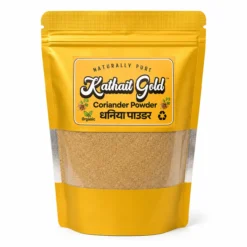
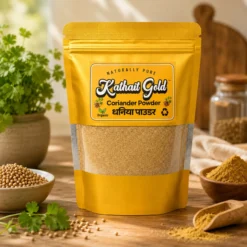
At Upfront Enterprise, we reject modern shortcuts in favor of traditional wisdom enhanced by modern technology. Our premium Kathait Gold™ Dhania Powder is manufactured using specialized cool-grinding technology.
“By strictly controlling the ambient temperature and rotational speed of our mills, we prevent thermal degradation. This ensures that the natural oils, the vibrant greenish-brown hue, and the complete nutritional profile are locked into every grain. This is our promise of purity, family trust, and Dehradun pride.”
Our Infrastructure & Quality Control
Quality assurance is not an afterthought; it is engineered into our facility.
- Unit Address: Kathait Gold Manufacturing Unit, Ward No. 100, Gujronwali Road, Shree Krishna Vihar, Nathuawala, Chaktonwala Grant, Dehradun, Uttarakhand – 248008, India.
- Pre-Cleaning: Raw seeds undergo rigorous destoning, magnetic separation, and air-classification to remove any dust, stems, or foreign agricultural matter.
- Moisture Control: Prior to milling, the seeds are gently sun-dried or subjected to controlled low-heat roasting to achieve a precise moisture content of below 9%. This guarantees a long shelf life and prevents fungal growth.
- Certification: We operate under the strictest food safety guidelines, proudly holding FSSAI License Number 12625005000533.
6. B2B Market Trends & Industrial Applications
Beyond retail Grocery Products, coriander powder is a massive B2B commodity. Procurement heads in the food, pharmaceutical, and cosmetics industries rely on consistent supply chains for their raw materials.
Industrial Food Processing
In the FMCG sector, coriander powder is an essential input for:
- RTE (Ready-to-Eat) Meals: It provides flavor stability that can survive the intense heat and pressure of retort packaging without turning bitter.
- Extruded Snacks & Namkeens: Blended into the topical seasoning dust for potato chips and extruded corn snacks to provide an underlying savory note.
- Processed Meats: Utilized in marinades, sausages, and cured meats not just for flavor, but for its antioxidant properties which help delay lipid oxidation (rancidity) in animal fats.
The Threat of Adulteration
As global demand rises, adulteration has become a critical B2B issue. Unscrupulous suppliers frequently “stretch” coriander powder with cheaper fillers. Common adulterants include:
- Spent/Exhausted Seeds: Seeds from which the essential oil has already been extracted for the perfume industry, leaving behind flavorless biomass.
- Sawdust or Husk: Mixed in to increase weight.
- Synthetic Linalool: Added to spent powder to artificially mimic the smell of fresh coriander.
Kathait Gold™ guarantees 100% authenticity. Our transparent supply chain and rigorous lab testing ensure that B2B partners receive a product completely free of fillers, exhausted seeds, or synthetic additives.
7. The Ultimate Buyer’s Guide: Identifying Premium Quality
Whether you are a home chef looking for daily household trust or a restaurant manager sourcing bulk spices, use these criteria to evaluate coriander powder:
- Visual Inspection: Premium powder should have a vibrant, light greenish-brown color. If the powder is excessively dark brown or blackish, the seeds were likely over-roasted, burned during milling, or sourced from inferior, aged crops.
- Olfactory Test (Aroma): Rub a pinch of the powder between your fingers. It should immediately release a strong, fresh, lemony-citrus aroma. A dusty, flat, or musty smell indicates the presence of spent seeds or old stock.
- Texture: The grind should be fine but exhibit slight texture. If it feels excessively chalky or clumpy, it may contain artificial starches or have absorbed too much moisture.
- Packaging Integrity: Essential oils degrade rapidly when exposed to UV light and oxygen. Always purchase coriander packaged in high-grade, multi-layered opaque pouches or airtight jars, rather than loose, open-air bins.
8. Frequently Asked Questions
Is Kachi Ghani Mustard Oil related to the spice milling process?
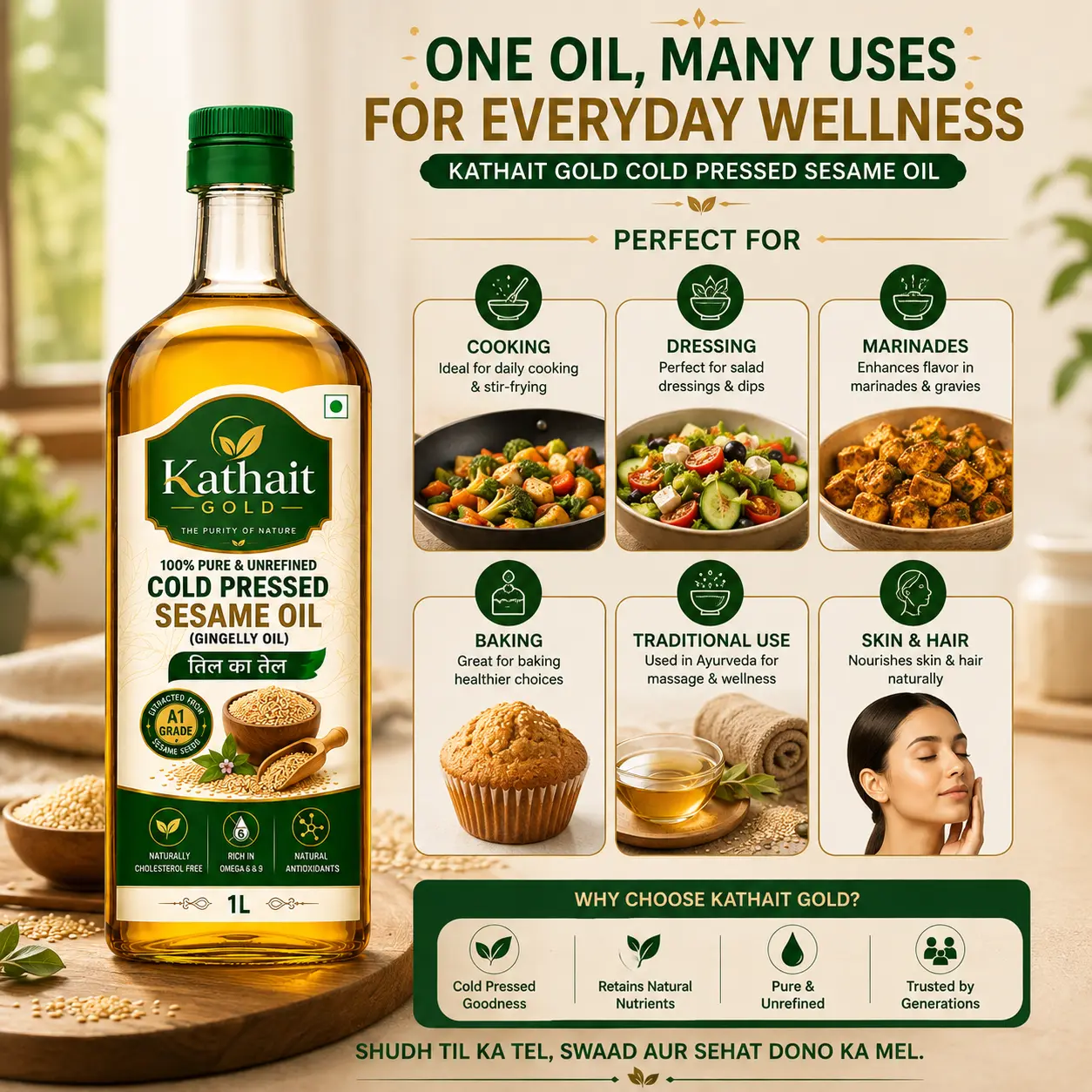
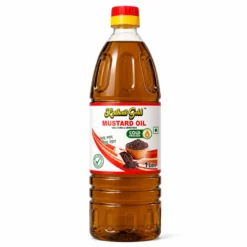
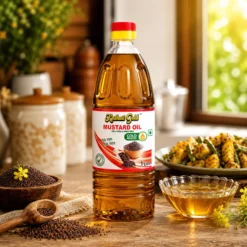
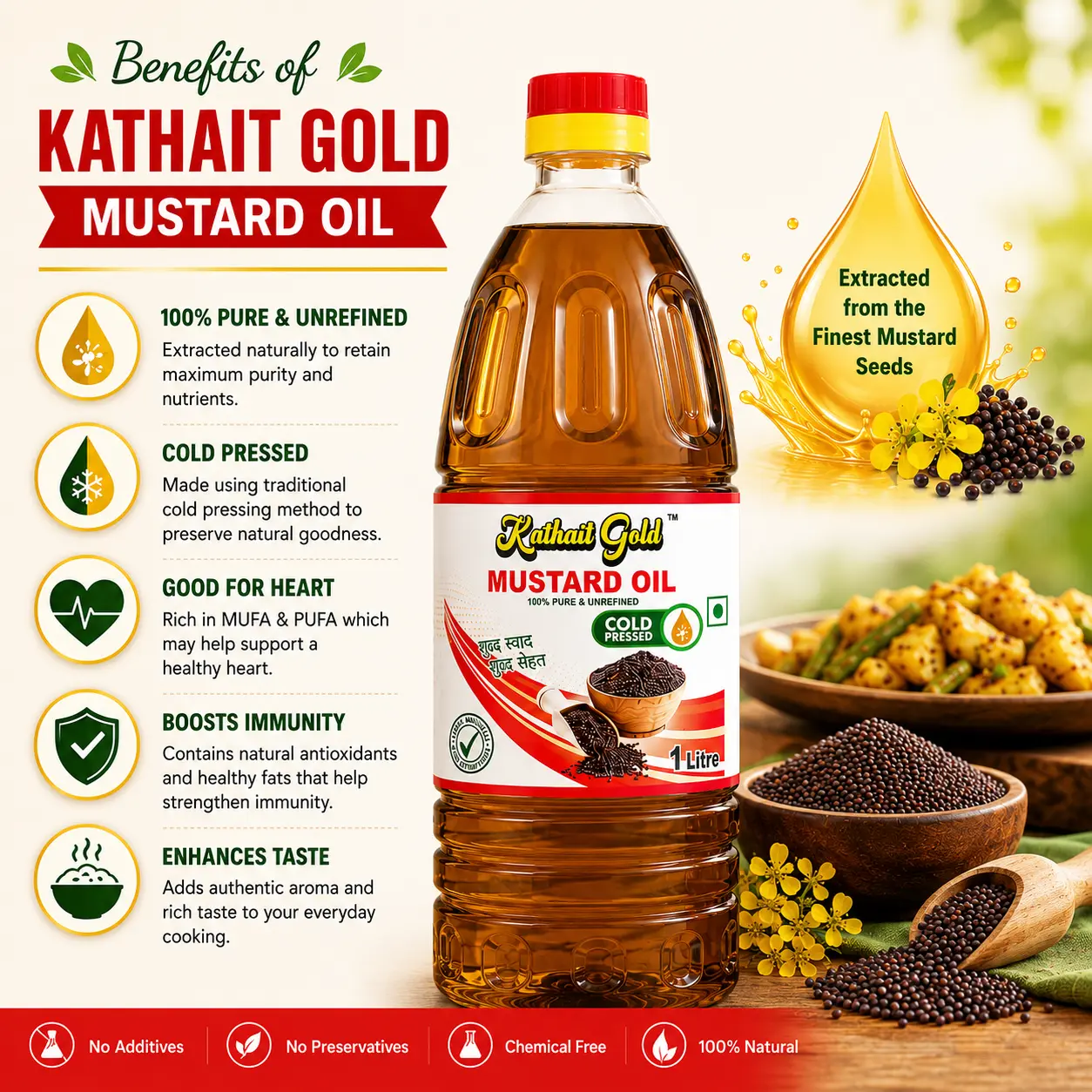
While both emphasize purity and cold-processing, they are distinct. Kachi Ghani refers to cold-pressing oilseeds (which we proudly offer under Kathait Gold™), whereas our spices utilize cool-grinding technology to achieve the same goal: preserving natural heat-sensitive compounds.
Why is my homemade curry becoming bitter when I add coriander?
Bitterness usually occurs if the coriander powder is added too early to very hot oil, causing it to burn. Always add coriander powder after the wet ingredients (like tomatoes or onion paste) have been introduced to lower the pan’s temperature.
How long does Kathait Gold™ Coriander Powder retain its flavor?
When stored correctly in an airtight steel or glass container, kept in a cool, dark cupboard away from the stove, our securely packaged powder will retain its peak aromatic profile for 9 to 12 months.
Can I use Kathait Gold™ for both household and commercial cooking?
Yes. As a premier FMCG food manufacturing brand, we supply meticulously processed products that meet the stringent demands of commercial HORECA environments while delivering the everyday value and authentic taste trusted by families.
About Upfront Enterprise & Kathait Gold™
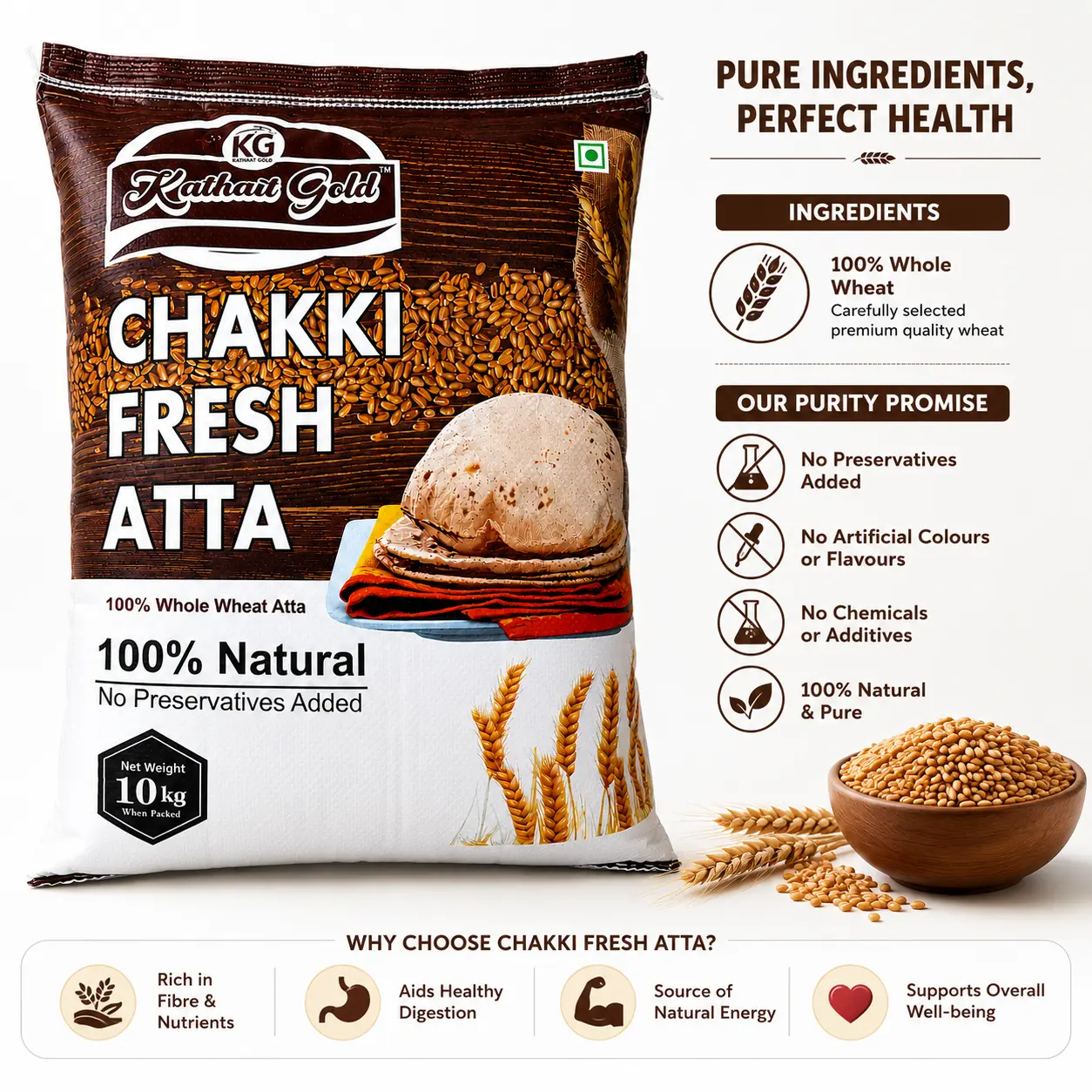
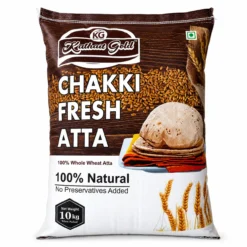
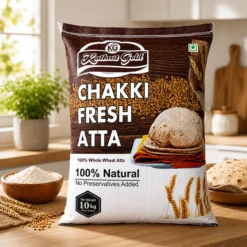
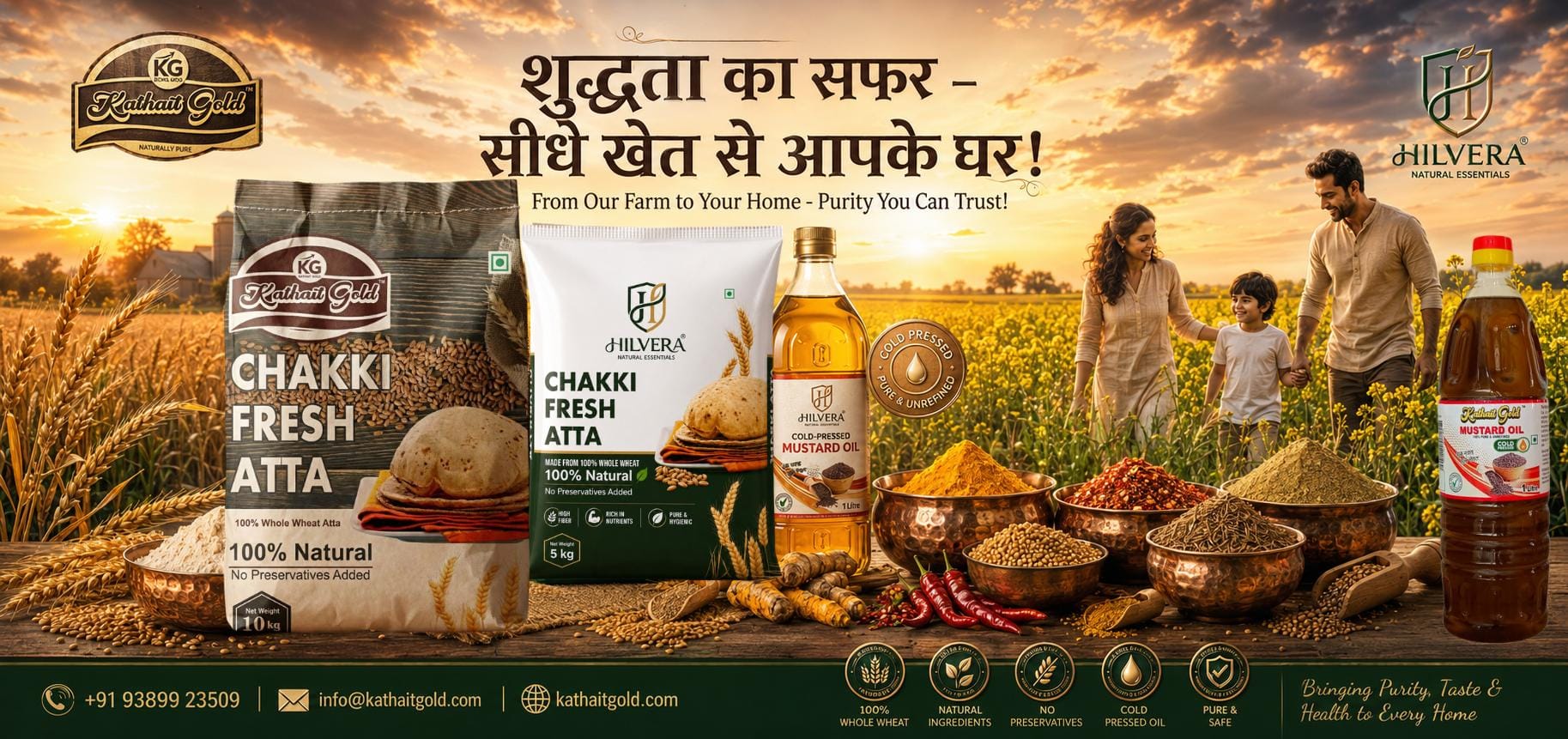
Founded by Mr. Balbir Singh Kathait, Upfront Enterprise is a leading FMCG food manufacturing, packaging, branding, and marketing company headquartered in Dehradun, Uttarakhand. We specialize in premium Cold Pressed Mustard Oil, Chakki Fresh Atta, and Pure Spices.
Corporate Office: 58 Ring Road, Jagriti Vihar, Danda Dharampur, Upper Nathanpur, Dehradun, Uttarakhand – 248014, India.
Manufacturing Unit: Kathait Gold Manufacturing Unit, Ward No. 100, Gujronwali Road, Shree Krishna Vihar, Nathuawala, Chaktonwala Grant, Dehradun, Uttarakhand – 248008, India.
- GSTIN: 05AKJPK8349P4ZB
- FSSAI License: 12625005000533
- Phone: +91 93899 23509
- Email: info@kathaitgold.com
- Websites: kathaitgold.com | upfrontstore.in